
With global temperatures steadily rising and summer heatwaves growing more severe, regular vehicle maintenance has shifted from a smart habit into an indispensable safety precaution. Intense heat speeds up mechanical degradation, dries out vital fluids, and places immense stress on critical automotive systems. Skipping seasonal maintenance drastically increases the risk of unexpected roadside breakdowns, overheated engines, and dangerous tire blowouts on blistering pavement. Shielding your car from these intense seasonal elements requires a proactive, preventative strategy.
Combating Extreme Heat and Avoiding Thermal Damage
- Battery Health Diagnostics: Extreme summer warmth speeds up internal battery corrosion and fluid evaporation. Getting a professional diagnostic check guarantees your battery holds sufficient starting power, preventing you from being stranded in sweltering conditions.
- Belts and Hoses Inspection: Elevated temperatures cause rubber hoses and drive belts to stretch, crack, or become brittle. Detecting this wear ahead of time prevents unexpected alternator failure or sudden cooling system failures.
- A/C System Testing: Evaluate your climate control system ahead of the season to address minor leaks or poor airflow, letting you beat the heat wave before service centers experience their summer rush.
- Thermal Barrier Protection: Cabin temperatures can quickly climb past 110°F on bright afternoons. Deploying a premium windshield sunshade safeguards fragile dashboard electronics and cabin upholstery from destructive UV rays.
Tire Safety and Maximum Summer Performance Tips
- Cold Inflation Monitoring: Frequently verify your tire pressure using a precise gauge while the tires are "cold"—ideally after the vehicle has rested for at least three hours or been driven under a single mile.
- Adhering to Recommended PSI: Make sure to inflate your tires according to the manufacturer’s guidelines found on the driver-side door jamb sticker, instead of matching the maximum pressure stamped on the tire sidewall.
- Structural Integrity Checks: Periodically inspect your tread and sidewalls for any indications of heat stress, including cracking, irregular wear, bulges, or punctures.
- Load Capacity and Wheel Alignment: Scorching asphalt paired with highway velocities and heavy road-trip cargo puts massive strain on your tires. A professional alignment ensures uniform wear and maximizes your driving safety.
Optimizing Fluid Quality and Cooling System Efficiency
- Cooling System Tune-Up: Verify that your radiator, water pump, and thermostat are working perfectly. Always opt for premium coolant with a high boiling point to keep your engine well-protected from overheating.
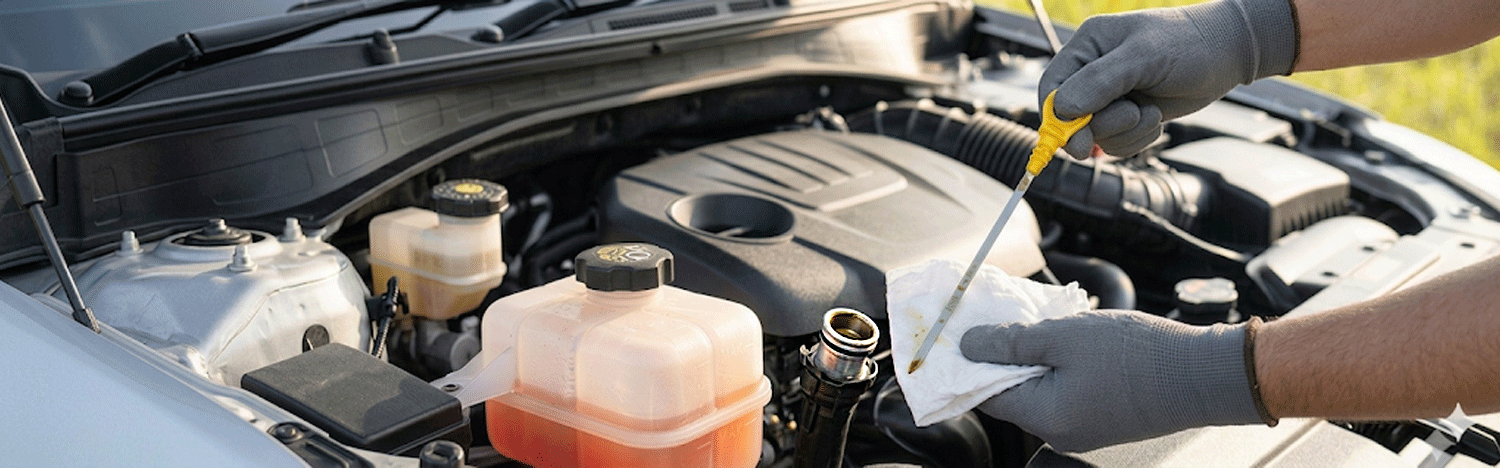
- Fluid Level Assessments: Regularly inspect vital under-hood liquids—such as motor oil, brake fluid, and transmission fluid—making sure they are clean and filled to proper levels.
- Visibility Maintenance: Replace worn winter wiper blades to secure crisp visibility during sudden summer rainstorms, and keep your windshield washer fluid reservoir completely topped off.
- Corrosion and Rust Prevention: Thoroughly wash your vehicle's undercarriage to flush out embedded road grime and leftover winter salt. Promptly touch up any exposed paint chips, as high seasonal humidity can quickly trigger rust and oxidation.
Schedule Your Summer Maintenance Service
Don't allow intense summer weather to leave you stranded on the side of the road. Schedule a complete vehicle checkup at the Joe Myers Service Center today. Avoid the mid-season rush and guarantee your car is completely ready for the open highway. Contact our team today to lock in your appointment!